What to wear for golf in the rain and the cold
Several thin layers under a waterproof jacket and trousers, a golf glove for wet grip plus a spare or a mitt to keep your other hand warm, and waterproof shoes with a good sole. Nothing here needs to be expensive, it needs to keep water out and let you swing.
By Chris, Golf Metric · Updated 23 September 2026 · Facts checked 23 September 2026
Start with layers, not one big coat
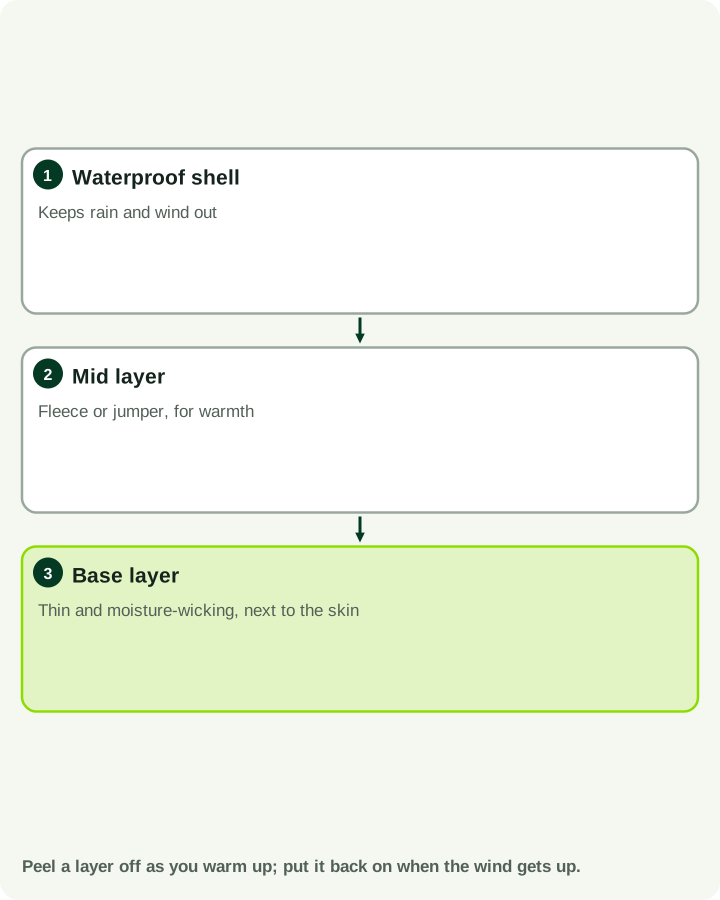
The NHS's own advice on staying warm is built on one simple point: several thin layers trap more warmth than one thick layer, because each layer holds a bit of warm air against you. For golf that means a moisture-wicking base layer next to your skin, a mid layer such as a light fleece or a jumper for warmth, and a waterproof shell on top. You can take a layer off as you warm up on the move and put it back on while you wait to tee off, which a single heavy coat will not let you do.
Waterproofs: top and trousers
A golf-cut waterproof jacket matters more than the fabric it is made from. Look for one cut generously through the shoulders and arms so it does not restrict your backswing, with cuffs that close properly so water does not run up your sleeve on the follow-through. Waterproof trousers are worth having in the bag even on a day that starts dry: wet, knee-high rough or a sudden shower can soak ordinary trousers through in a couple of holes, and wet fabric against your legs cools you down fast.
Gloves: one for grip, one for warmth
A wet-weather golf glove is designed to grip better as it gets wet, unlike an ordinary leather glove, which gets slippery. Keep it for your gloved hand and swap in a dry spare if the first one soaks through. For your other hand, a mitt or a spare glove between shots keeps it from stiffening up in the cold, since a cold hand does not grip a club well even before you notice you are cold. Carry at least one spare pair in a dry pocket of the bag.
Shoes and socks
Waterproof golf shoes with a soft spike, dimple or textured sole grip wet and muddy ground far better than a smooth sole, and both Formby and Royal Birkdale specify that kind of sole for visitors rather than metal spikes. Wet feet cool down quickly, so a proper waterproof shoe, not just a water-resistant one, is worth the outlay if you play through a North West winter. Thicker socks help, but only once the shoes themselves are actually keeping water out.
The extras that make the biggest difference
A hat keeps rain off your face and cuts heat loss from your head; the NHS advice on cold weather also points to hats and scarves as a simple way to stop losing warmth from the parts of you left uncovered. A small towel kept dry inside your bag, rather than clipped outside it, keeps your grips from getting slick. Hand warmers in a pocket cost little and help between shots more than most extra layers do.
What clubs actually allow
Dress codes vary by club, but wet weather gear is usually welcome on the course and less welcome in the clubhouse. Formby's own dress code asks players to leave wet clothing and waterproofs in the drying room, and not to wear wet kit into the clubhouse afterwards, which is common practice at clubs with a drying room. Bring a bag for wet gear and something dry to change into, and check the club's own website for its specific rules before you travel, since what one club allows on the course, from shorts and long socks to the exact sole on your shoes, another may not.
For older golfers
Cold affects circulation more as you get older, so the layers around your hands and head matter even more than the ones round your body. A warm hat and a spare pair of gloves are a cheap way to keep a round comfortable when the temperature drops, and there is no shame in playing a shorter round or coming in early if hands or feet have gone numb.
Questions people ask
Do I need golf-specific waterproofs, or will any outdoor jacket do?
A general outdoor waterproof will keep the rain off, but golf waterproofs are cut looser through the shoulders and arms for a full swing. A tight walking jacket can restrict your backswing, which matters more than the label.
What do I do with wet waterproofs when I come off the course?
Check the club first. Formby Golf Club asks players to leave wet clothing and waterproofs in the drying room and not to wear them into the clubhouse; plenty of North West clubs work the same way, so bring a bag for wet kit and a dry top for afterwards.
Are metal spikes still allowed?
Most clubs have moved to soft spikes or dimple soles, which grip wet ground well without the damage metal spikes can do to greens. Formby and Royal Birkdale both specify soft, dimple or textured soles for visitors; check before you travel if you only own metal-spiked shoes.
What should juniors wear differently?
The same layers in smaller sizes, plus a properly fitting waterproof: a jacket that is too big lets water and cold air in at the cuffs and neck. A dry pair of gloves in the bag matters more for smaller hands, which lose heat faster.
I run hot when I play. Do I still need this many layers?
Wear fewer, and take the outer layer off between holes rather than starting underdressed. It is easier to unzip a jacket at the 3rd than to warm cold hands back up once they have gone stiff.
Read next
Sources
- Leeds Teaching Hospitals NHS Trust, Keeping warm, checked 23 September 2026
- Formby Golf Club, Dress Code, checked 23 September 2026
- Royal Birkdale, Visitors, checked 23 September 2026
Spotted something out of date? Email chris@ai-metric.com and we will check it against the source.